Landscapes of Sikkim
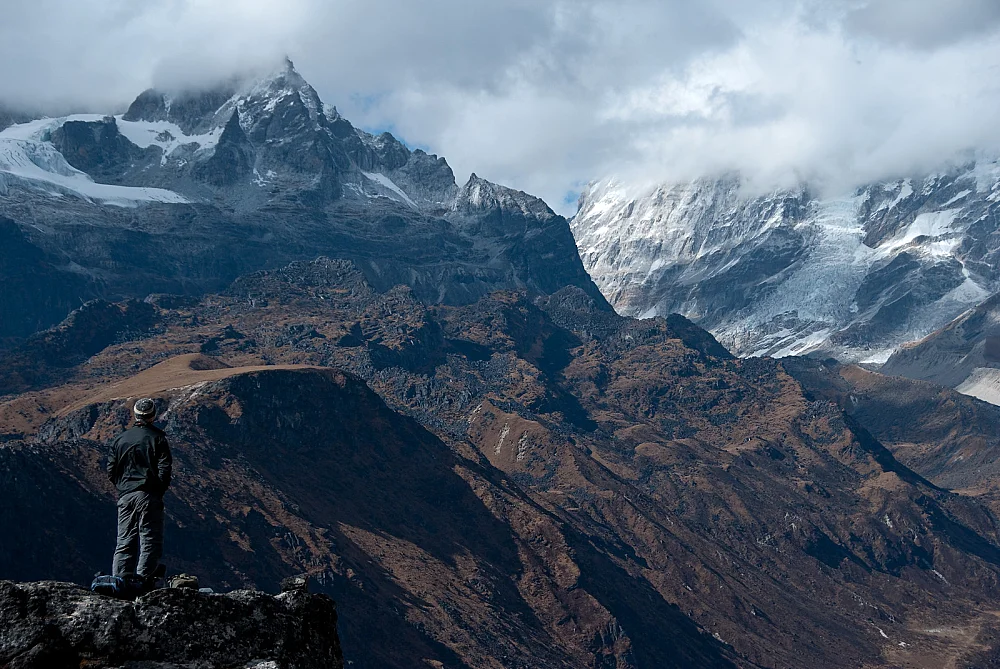
Nestled in the lap of the Himalayas, Sikkim is a breathtaking destination that combines rugged topography, towering peaks, serene lakes, and vibrant cultural traditions. Its dramatic landscapes, from the mighty Khangchendzonga to cascading waterfalls, make it a paradise for nature lovers and adventure enthusiasts alike. This article delves into the natural wonders and adventure opportunities that define Sikkim, offering a detailed guide to its mountains, glaciers, hot springs, lakes, passes, rivers, waterfalls, and thrilling activities.
Mountains of Sikkim
Sikkim’s rugged terrain, shaped by two prominent mountain ranges, the Singilela Range in the west and the Chola Range in the east, creates a stunning yet challenging landscape for agriculture. These towering peaks not only define the state’s geography but also hold spiritual significance for the Sikkimese people.
Singalila Range
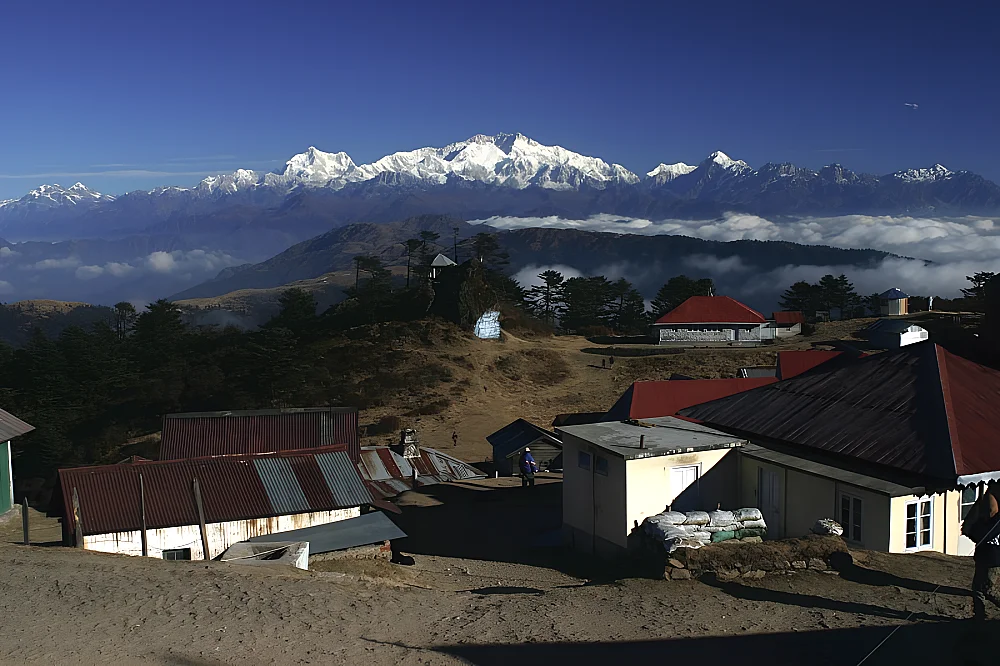
The Singalila Range, a majestic spur of the Great Himalayas, stretches along Sikkim’s western border with Nepal. Its crowning jewel is Mount Khangchendzonga, the third-highest peak in the world at 8,596 meters. Revered as a sacred abode of the "Five Treasures of the Snows," the peak is considered unclimbable by locals, who believe it should only be worshipped. In respect for these sentiments, mountaineers have refrained from stepping on its summit, stopping just a few meters below.
For those unable to attempt the climb, the Gochela Pass (5,000 meters) offers a spectacular alternative. Located between Mount Pandim and a spur of Kabru Peak, this pass overlooks the Talung Valley and the winding Talung Glacier. Visitors are surrounded by iconic peaks, including Khangchendzonga (8,596 m), Simvo (6,811 m), Sinolchu (6,888 m), Pandim (6,691 m), Kabru (7,338 m), and Rathang (6,087 m). Standing at Gochela, one feels enveloped by the grandeur of Khangchendzonga, gazing up at its awe-inspiring face.
Chola Range
The Chola Range forms Sikkim’s eastern border, separating it from Tibet and Bhutan. This range is home to high-altitude passes like Nathu La and Jelep La, which have historically served as trade routes. These peaks and passes add to the region’s mystique, offering breathtaking views and a glimpse into Sikkim’s strategic and cultural significance.
Glaciers of Sikkim
Sikkim’s glaciers, often described as moving mountains of ice, are a testament to the region’s pristine and untamed beauty. The most notable glaciers include the Zemu Glacier, Rathong Glacier, and Lonak Glacier, all located in North Sikkim.
Zemu Glacier
The Zemu Glacier, the largest and most famous glacier in the eastern Himalayas, stretches 26 km in a U-shaped valley at the base of the Khangchendzonga massif in northwestern Sikkim. It is the source of the Teesta River, which begins as a trickle at the glacier’s snout. Fed by numerous tributary glaciers, the Zemu features dramatic icefalls and waterfalls at the junctions where these tributaries meet the main glacier. The surrounding valleys and rugged terrain make it a striking feature of Sikkim’s landscape.
Hot Springs
Sikkim is renowned for its therapeutic hot springs, valued for their medicinal properties due to their high sulphur content, which is believed to cure skin ailments. The most prominent hot springs are located at Reshi, Yumthang, and Ralang.
Reshi Hot Springs
Situated approximately 25 km from Gyalshing along the Rangit River, the Reshi Hot Springs are a popular destination for locals and tourists seeking relaxation and healing. The sulphur-rich waters are said to provide relief for various skin conditions, making these springs a natural spa amidst Sikkim’s verdant landscapes.
Lakes of Sikkim
Despite its rugged terrain, Sikkim is home to several serene lakes, both spring-fed and river-fed, that add to its ethereal charm. These lakes, often nestled in high-altitude valleys, are revered for their beauty and spiritual significance.
Tsomgo Lake
Located 40 km from Gangtok on the Gangtok-Nathu La highway at an altitude of 12,000 feet, Tsomgo Lake (meaning "source of the lake" in Bhutia) is a sacred and serene waterbody. Oval-shaped, approximately 1 km long, and 15 meters deep, the lake is a haven for brahminy ducks and a stopover for migratory birds. Frozen from winter to mid-May, the lake transforms into a vibrant ecosystem between May and August, surrounded by blooming rhododendrons, primulas, poppies, and irises. It is also an ideal habitat for the elusive red panda and various bird species.
Menmecho Lake
Situated 20 km beyond Tsomgo Lake, Menmecho Lake lies below the Jelepla Pass and is the source of the Rangpo-chu River. Fed by melting snow, the lake is renowned for its abundant trout, supported by a nearby fish farm. Its tranquil setting amidst towering peaks makes it a must-visit for nature enthusiasts.
Khecheopalri Lake
Considered sacred by both Buddhists and Hindus, Khecheopalri Lake is hidden within dense forest cover between Gyalshing and Yuksum. Local folklore claims that birds prevent even a single leaf from floating on its surface, preserving its pristine beauty. Accessible by a motorable road from Pemayangtse, the lake area offers a trekkers’ hut managed by locals, providing comfortable stays with authentic Sikkimese cuisine, including chang, a fermented millet brew. A pilgrims’ hut managed by the tourism department caters to those on spiritual journeys.
Green Lake
Located near the Zemu Glacier, Green Lake serves as a base for mountaineering expeditions in the region. Contrary to its name, the lake is often a dry basin, as noted by explorer D.W. Freshfield in 1899. Despite its lack of water, the area’s stark beauty and proximity to towering peaks make it a significant stop for adventurers.
Samiti Lake
Nestled in the Onglathang Valley near the Gochala Pass, Samiti Lake is a glacial lake known for its transparent turquoise waters. Its serene beauty offers a moment of tranquility for trekkers en route to higher altitudes.
Cholamu Lake
Situated on a plateau extending into Tibet, Cholamu Lake is the source of the Teesta River, starting as a mere trickle. The lake’s icy waters, often flirting with freezing temperatures, reflect the surrounding mountains, creating a prehistoric ambiance. Migratory birds, including cranes from Russia and China, frequent its placid surface, adding to its allure.
Lakshmi Pokhari
A large natural lake cupped in a deep crater, Lakshmi Pokhari is a pristine waterbody whose elevated rim allows photographers to capture its entirety without a wide-angle lens. Revered as a sacred site, the lake evokes a sense of divine presence amidst Sikkim’s untouched landscapes.
Mountain Passes
Sikkim’s mountain ranges are dotted with high-altitude passes that historically served as trade and travel routes. These passes, including Nathu La, Jelep La, Bhutah La, Chiwabhangjang, and Kang La, offer breathtaking views and a glimpse into the region’s geopolitical significance.
Nathu La Pass
Located 5 km north of Jelep La at 15,000 feet, Nathu La Pass is a rarely used route on the Sikkim-Tibet frontier. The zigzagging track from Gangtok to Nathu La grows steeper, revealing a sublime landscape that culminates in the calm waters of Tsomgo Lake. The pass, flanked by imposing peaks and deep ravines, was a key trade route until 1962 and remains a sensitive border area where Indian and Chinese troops stand in close proximity. Jelep La, used by Younghusband in 1903 to enter Tibet, is part of the historic Younghusband Track.
Rivers of Sikkim
Sikkim’s rivers, fed by snowmelt and monsoon rains, are vital to its ecosystem and human settlements. The most prominent is the Teesta River, which originates as a trickle from Cholamu Lake and transforms into a mighty, thundering river downstream. Its major tributary, the Rangeet River, originates from the Rathong Glacier and joins the Teesta at the Sikkim-West Bengal border.
During the monsoon season, these rivers become swollen and turbulent, their swift currents and rocky beds rendering them unnavigable but spectacularly noisy. Human settlements are strategically located above river levels to avoid flooding, ensuring safety for life and property. The Teesta eventually merges with the Brahmaputra in Bangladesh, completing its journey through Sikkim’s dramatic landscapes.
Waterfalls of Sikkim
Sikkim’s verdant hills are adorned with countless waterfalls, their white plumes cascading from mountainsides to valley floors. While most are unnamed, they are particularly abundant in North Sikkim, especially along the roads between Mangan and Lachung and in the Dzongu area. Fed by springs or melting snow, these perennial waterfalls add a dynamic element to Sikkim’s serene landscapes, inviting travelers to explore lush mountain trails and immerse themselves in the region’s cultural and natural heritage.
Adventure Activities in Sikkim
Sikkim’s diverse terrain and natural beauty make it a haven for adventure enthusiasts. From trekking to river rafting, the state offers a range of thrilling activities that cater to both novices and seasoned adventurers.
Trekking
Sikkim’s trekking routes, ranging from 6,000 to 14,000 feet, require no technical climbing experience, making them accessible to a wide range of adventurers. Popular trails include those leading to Gochela Pass and Dzongri. The ideal trekking seasons are mid-February to late May and October to mid-December. The Department of Tourism and reputed travel agents provide camping and trekking equipment for hire, ensuring a comfortable and safe experience.
River Rafting
The Teesta and Rangeet Rivers offer exhilarating river rafting experiences through Sikkim’s scenic landscapes. The Teesta expedition covers routes from Makha to Sirwani and Sirwani to Rangpo, while the Rangeet expedition spans Sikip to Nayabazar to Melli. Both beginners and experienced rafters can seek assistance from the Department of Tourism or travel agents to organize these trips.
Mountaineering
Sikkim’s towering peaks, particularly in the Khangchendzonga region, attract mountaineers from around the world. While Mount Khangchendzonga remains sacred and unclimbed, other peaks like Kabru and Pandim offer challenging ascents. Green Lake serves as a base for many expeditions, supported by the region’s rugged yet accessible terrain.
Hang Gliding
The Department of Tourism is introducing hang gliding in North Sikkim and Jorethang in West Sikkim, promising an adrenaline-pumping way to experience the state’s aerial beauty.
Mountain Biking
Recently introduced, mountain biking is gaining popularity in Sikkim, particularly in North and West Sikkim. The state’s negotiable roads and scenic trails make it an ideal destination for this sport, with the Department of Tourism promoting its growth.
Kayaking
For those with kayaking experience, the Teesta River offers thrilling opportunities. Sikkim Tourism provides kayaks and organizes trips for special groups, ensuring a safe yet exciting adventure.
Yak Safari
An unforgettable experience, the Yak Safari is organized by Sikkim Tourism and travel agencies from Dzongri in West Sikkim. This unique activity allows visitors to explore the highlands on yaks, immersing themselves in the region’s pastoral traditions.
Conclusion
Sikkim is a land where nature and adventure converge to create an unforgettable experience. From the sacred heights of Mount Khangchendzonga to the tranquil waters of Tsomgo and Khecheopalri Lakes, the state’s diverse landscapes inspire awe and reverence. Its glaciers, hot springs, passes, rivers, and waterfalls add layers of beauty and intrigue, while adventure activities like trekking, rafting, and yak safaris offer thrilling ways to explore this Himalayan paradise. Whether you’re a spiritual seeker, a nature enthusiast, or an adrenaline junkie, Sikkim promises a journey of discovery that lingers in the heart long after you leave its borders.