Phodong, Labrang, and Tumlong
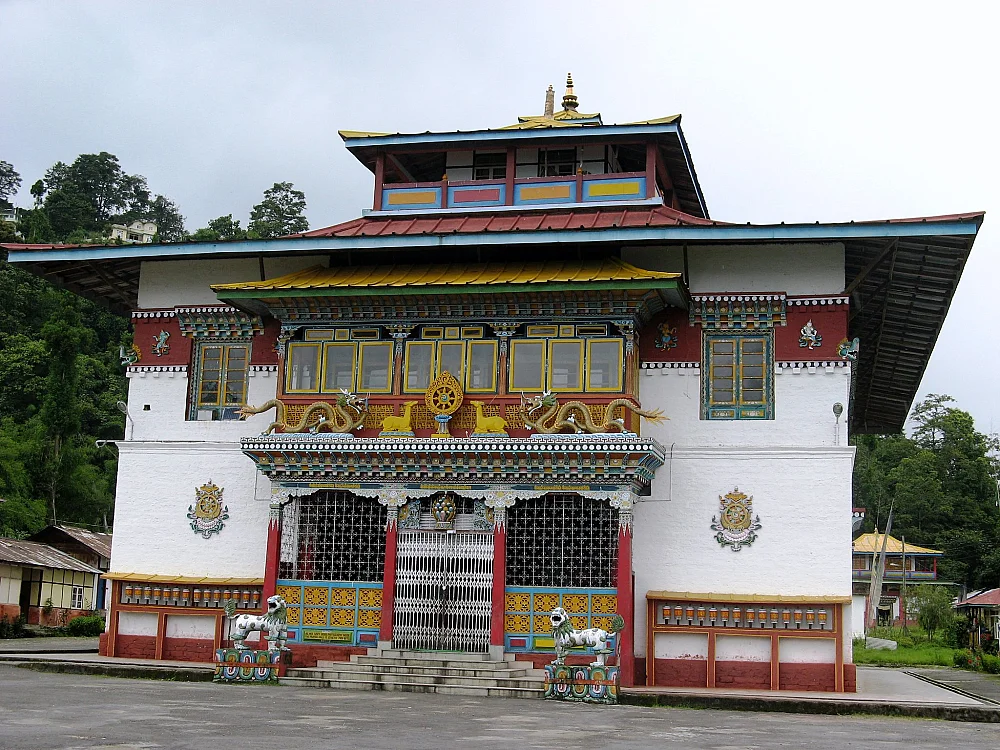
Nestled in the verdant hills of North Sikkim’s Mangan District, the Phodong Monastery, Labrang Monastery, and Tumlong Palace ruins form a captivating cluster of spiritual and historical treasures, all within a 2-kilometer radius along the North Sikkim Highway, roughly 38 kilometers from Gangtok. At elevations between 4,500 and 7,000 feet, this trio offers a seamless blend of Buddhist serenity, intricate artistry, and echoes of Sikkim’s royal past. From Phodong’s vibrant Kagyu legacy to Labrang’s unique Nyingmapa architecture and Tumlong’s crumbling palace walls, this compact circuit invites travelers to explore a tapestry of faith, culture, and history framed by Himalayan splendor.
Sacred Foundations: Historical Threads of the Triad
Each site carries a distinct legacy, weaving together Sikkim’s spiritual and royal heritage.
- Phodong Monastery: Founded in 1740 by Chogyal Gyurmed Namgyal, this Kagyu sect haven, home to 260 monks, was rebuilt in 1977 after an earthquake, preserving ancient murals and a legacy tied to the 9th Karmapa’s vision.
- Labrang Monastery: Built in 1826 and completed in 1843 by Gyalshe Rigzing Chempa, son of King Tsugphud Namgyal, this Nyingmapa sect monastery retains its original structure, a rare gem honoring Latsun Chembo of Tibet, despite 2006 earthquake damage.
- Tumlong Palace Ruins: Once Sikkim’s third capital from 1793 to 1894, Tumlong’s palace was a royal hub until British forces razed it; nearby, the Tumlong Monastery, established in 1840, served monks summoned by the king, standing at 4,833 feet.
Visual Majesty
This triad dazzles with architectural brilliance and natural beauty, each site offering unique visual treasures.
- Phodong Monastery: The Dukhang prayer hall glows with intricate thangkas, golden Buddha statues, and vibrant frescoes, set against sweeping valley views and distant Kanchenjunga peaks.
- Labrang Monastery: Perched at 7,000 feet, its whitewashed walls and Indo-Tibetan design house a towering Buddha Sakhya Muni statue and vivid murals, framed by lush jungles perfect for birdwatching.
- Tumlong Palace Ruins: The low-slung Tibetan-style ruins, with slanting walls and tiny windows, sit near the quaint Tumlong Monastery, offering a haunting glimpse of Sikkim’s royal past amid serene hills.
Festivals and Traditions
The trio pulses with rituals and community spirit, inviting travelers into Sikkim’s living heritage.
- Phodong Monastery: The Kagyed Cham festival (December-January, 28th-29th Tibetan month) features monks’ masked dances, celebrating the harvest with colorful costumes and spiritual fervor.
- Labrang Monastery: Quiet rituals honor its Nyingmapa roots, with prayer flags and daily chants creating a meditative haven, enhanced by the serenity of its forested setting.
- Tumlong Monastery: Small-scale gatherings reflect its role as a monks’ retreat, with the nearby palace ruins adding a historical layer to the village’s tranquil Buddhist ethos.
Adventures Exploration
The close-knit sites offer gentle adventures, blending spirituality with scenic trails.
- Wander the 500-meter path uphill from Phodong to Labrang, a short trek through pine forests with panoramic Himalayan vistas and chances to spot local birdlife.
- Explore the Tumlong Palace ruins, just below the road between Phodong and Labrang, where crumbling stone walls whisper of royal history, perfect for reflective strolls.
- Venture to nearby Kabi Longtsok, 16 kilometers away, where historic stone pillars mark a 17th-century tribal pact, or Tashi Viewpoint for breathtaking mountain panoramas.
Cultural Immersion
The triad’s communities offer a warm glimpse into Sikkim’s spiritual and pastoral life.
- At Phodong, connect with Kagyu monks over butter tea, marveling at ancient wooden carvings and their tales of devotion, paired with local momos in nearby villages.
- Labrang’s serene setting invites quiet exchanges with monks, whose rituals and statues, like the Karma Guru, reflect Nyingmapa traditions amid the jungle’s calm.
- In Tumlong, engage with the sparse Lepcha and Bhutia community, where the monastery’s simplicity and palace ruins evoke a bygone era of royal and monastic harmony.
Reaching
The journey to this cluster is a visual delight, accessible via a shared route from Gangtok.
- Drive 38 kilometers from Gangtok along the North Sikkim Highway (1-2 hours) to Phodong, with Labrang 2 kilometers uphill and Tumlong’s ruins and monastery just below, reachable by taxi or jeep; North Sikkim permits are required.
- Fly into Bagdogra Airport (164 km) or reach New Jalpaiguri railway station (125 km), then transfer to Gangtok for the onward trip, checking for landslide risks, especially post-monsoon.
- Visit early (8 AM-5 PM for monasteries) to savor Phodong’s morning chants, Labrang’s quietude, and Tumlong’s historical stillness, all within a compact circuit.
Timing Your Visit
Each season casts a unique glow on this sacred triad, enhancing its allure.
- Spring (March-May) brings blooming flora and clear skies, ideal for exploring the monasteries and ruins while enjoying vibrant valley views.
- Autumn (October-December) aligns with Phodong’s Kagyed festival, offering crisp air and vivid Himalayan backdrops, perfect for cultural immersion.
- Avoid monsoons (June-August) due to potential landslides, and dress warmly for Labrang’s higher altitude and Tumlong’s open terrain.
Nearby Gems
The proximity of these sites opens doors to North Sikkim’s broader wonders.
- Visit Phensang Monastery, 10 kilometers away, a Nyingmapa haven with serene vibes, complementing Labrang’s sectarian legacy.
- Explore the Seven Sisters Waterfalls, 32 kilometers away, where cascading tiers sparkle in misty gorges, ideal for a scenic detour.
- Head to Mangan, the district hub, to browse local markets or visit the Rong Lungten Lee museum, celebrating Lepcha heritage, a short drive away.