Rinchenpong
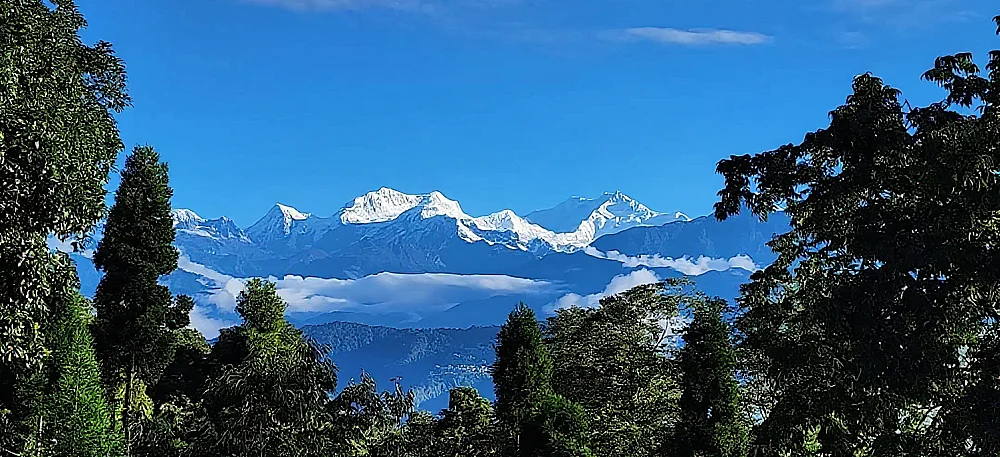
Tucked away in the folds of West Sikkim’s Gyalshing district, Rinchenpong has that quiet kind of beauty that doesn’t shout for attention. It’s the sort of place where mist drifts lazily over ridges, forests breathe slowly, and the Himalayas stand guard on the horizon. Travelers who make it here usually aren’t chasing big itineraries. They’re here to pause, unplug, and let the valley set the pace.
A Journey Through Time
Rinchenpong’s past is stitched with stories of faith, defiance, and wisdom. The 18th century saw the rise of one of Sikkim’s oldest monasteries, its prayer halls echoing with centuries of chants. A hundred years later, locals defended their land against colonial forces in a way that still gets retold with pride - by cleverly poisoning a key water source and halting an invasion. The hills also remember a great Limboo scholar from the same era, whose work in preserving culture and knowledge continues to inspire.
Sights That Stay With You
The valley is dotted with places that feel both rooted and otherworldly.
-
A hilltop monastery with a striking statue of the Buddha catches the first light of day, the mountains glowing gold behind it.
-
A dried-up pond sits quietly in the woods, tangled in legend and shadowed by the ruins of an old British bungalow.
-
Small lakes shimmer between forests and fields, their stillness perfect for picnics or just sitting and watching the mountains reflect back.
-
There are gardens with tumbling water pools and a suspension bridge that swings high above the valley floor - not for the faint-hearted but unforgettable once you step on it.
-
And then there’s the forest sanctuary, alive with rhododendrons and the occasional red panda if you’re lucky enough to spot one.
On the Trails
Walking here is never just walking. Even short forest strolls lead to viewpoints where the sunrise feels close enough to touch. Longer routes take you past rhododendron corridors, wooden bridges, and villages where children wave as you pass. If you’ve got the stamina, multi-day treks through reserves open up entire worlds of bird calls, alpine meadows, and those heart-stopping views of Himalayan peaks.
Life in the Hills
Culture in Rinchenpong is a living thing. Nepali, Tibetan, and indigenous Limboo traditions meet in festivals, in carved wooden homes, and in everyday rituals. Step into a village house and you might hear old stories over a cup of hot butter tea. Meals here are hearty - simple mountain food flavored with local herbs - the kind that warms you long after you’ve finished eating.
Getting There
Part of the charm is the road in. From Gangtok, the capital, the drive winds for about 140 kilometers, each bend revealing a new valley or a cluster of prayer flags. From Pelling, it’s just 30 kilometers - a gentler hop if you’re already exploring the west. Shared jeeps are the most common way to travel, but hiring your own car lets you linger at viewpoints whenever you want.
When to Go
Spring (March to April) is a riot of blooms. The forests are alive with color, and the air is soft. September to December, the skies clear, the mountains sharpen into focus, and the nights turn crisp. It’s perfect stargazing weather. The monsoon months are best avoided - trails get slippery, and views hide behind thick clouds.
A Little Further
Rinchenpong doesn’t need rushing, but if you’re in the mood to wander further, there’s plenty nearby. Kaluk and Uttarey are villages that share the same easy rhythm and are perfect for more walks. Pelling, with its bustling energy, is close enough for a change of pace. Further still, you’ll find hot springs, palace ruins, and valleys blooming into other stories.