Saramsa Garden
Picture this: it’s 1922, colonial times. The Sikkim Forest Department sets up a garden - not for show, but to grow fruits for the Namgyal royal family and British officers. Pineapples, guavas, lychees, bananas - you name it. Every week, baskets of fresh produce (called “Dati”) went straight to the palace and the British residency.
By the 1940s, the garden pivoted to growing Cephaelis ipecacuanha, a medicinal plant imported from Malaysia, used for producing emetic syrup. Locals even nicknamed it the “Ipecac Garden.” That chapter closed in 1970, but the name stuck for decades.
Come 1975, Saramsa reinvented itself again - this time as an orchidarium. Most of the plants and trees you see today were added between then and 1980. And in 2008, it had its big moment: hosting the International Floriculture Show, pulling in over 50,000 visitors a day. Not bad for a hillside garden, right?
What You’ll See and Do
Saramsa isn’t just a walk-through-the-park kind of place. It’s layered with history, color, and just enough quirk to keep things interesting.
- Flora Fiesta: Over 500 orchid varieties in the greenhouse, a splash of bright flowers, lush ferns, and even some of those original fruit trees from the 1920s. Exotic orchids meet medicinal herbs - it’s a plant lover’s paradise.
- Scenic Touches: A footbridge over a pool, uniquely shaped plants, shaded benches perfect for lingering, and trails that wind down to a river (great for dipping your feet, but the current can be tricky).
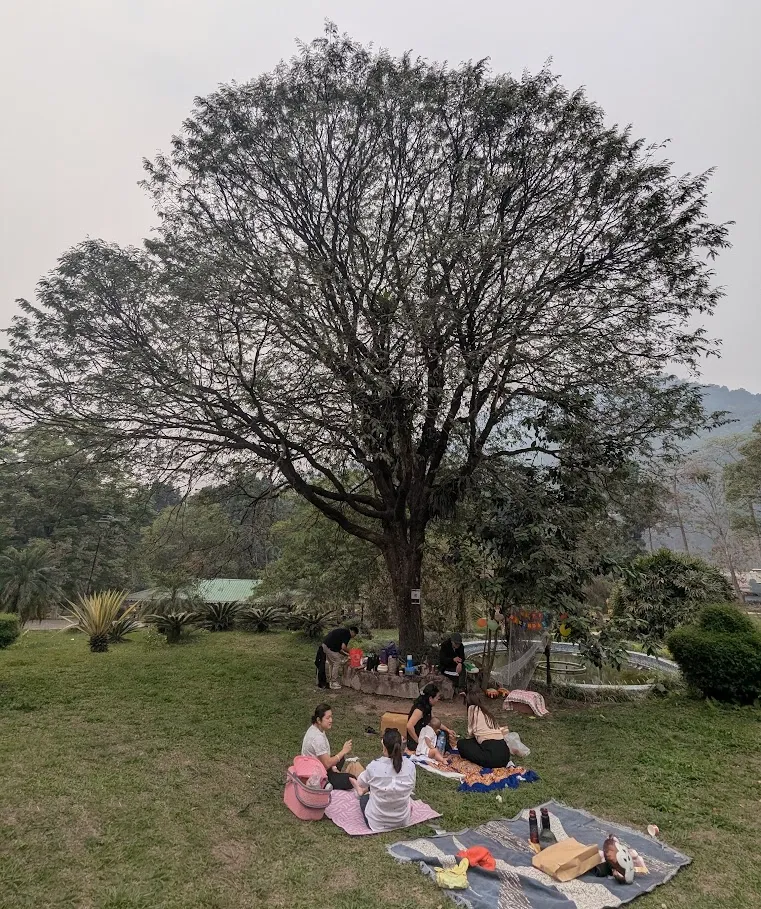
- Recreational Vibes: Fields for volleyball or football, wide lawns for picnics, and enough space to spread out a mat and spend the day.
- Bonus Features: A convention center for events, plenty of birds flitting about, and occasional wildlife sightings. The garden is divided into neat blocks, which makes wandering easy, though visitors sometimes note patchy maintenance after events.
Even so, the greenery and blooms usually win people over.
Planning Your Visit
Heading there’s simple, but here are the details to make it smoother:
- Location: About 14 km east of Gangtok, near Ranipool in Pakyong District. It’s on NH-717A and makes a natural pair with Rumtek Monastery for a full day trip.
- Timings & Fees: Open daily, 7 a.m. to 6:30 p.m. Entry’s just ₹10 per person. Plan 1–2 hours if you want to explore at a relaxed pace.
- Best Time: November to May is prime - mild weather and flowers in bloom. Spring is orchid season. Avoid monsoon months unless mud is your idea of fun.
- How to Reach: A taxi or shared jeep from Gangtok takes about 45 minutes via Indira Bypass Road. Driving yourself? Look out for signs near Ranipool.
- Tips: Wear comfortable shoes for the trails, pack your own picnic (don’t pluck flowers unless you want a fine), and manage expectations - maintenance can be hit-or-miss. If you’re with family, the play and sports areas keep kids entertained. Want to stay nearby? Saramsa Resort has cozy vibes.
Why It’s a Must-See
Saramsa Garden isn’t about over-the-top thrills. Its charm lies in its layers - colonial orchard, medicinal garden, orchidarium, and now, a laid-back retreat for locals and travelers alike.
Perfect for solo wanderers craving quiet, couples looking for a pretty backdrop, or families with picnic baskets, it’s got an easygoing, “take your time” vibe. Sure, reviews are mixed - some rave about the orchids and tranquility, others wish it was better maintained - but on a good day, the place really shines.
Pair it with a trip to Rumtek Monastery, and you’ve got culture and nature rolled into one. So next time you’re around Gangtok, swing by Saramsa. You might just walk out with a new appreciation for those humble blooms.