Sikkim’s Handloom and Handicrafts
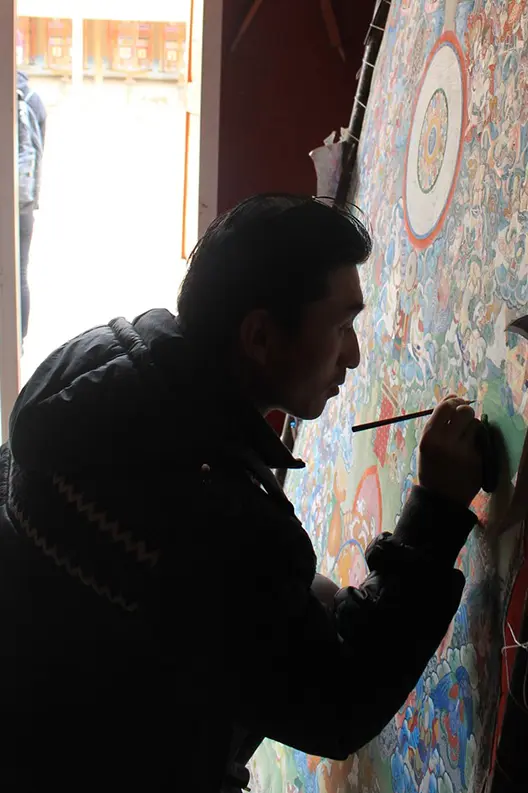
If you think Sikkim is just about snow-capped mountains and postcard views, think again. The state has another side - one that’s woven, carved, painted, and knotted into its culture. Sikkim’s handlooms and handicrafts aren’t just pretty souvenirs; they’re living pieces of tradition, shaped by centuries of Buddhist influence and the skills of communities like the Lepchas, Bhutias, and Nepalese. From carpets that could outlast your furniture to paintings that demand silence and reverence, this world of craft is a rabbit hole worth exploring. So, grab a cup of tea, settle in, and let’s talk about Sikkim’s art that’s every bit as mesmerizing as its landscapes.
The Spark: How It All Began
The story starts in 1957 when Sikkim was still a monarchy. The Chogyal (king), Palden Thondup Namgyal, had a bright idea: why not give people more than farming and herding to make a living? That’s when he set up the Palden Thondup Cottage Industries Institute, now known as the Directorate of Handloom and Handicrafts (DHH). What began with just 58 students in Gangtok slowly grew into a movement, especially after 1975 when Sikkim merged with India. This wasn’t just about jobs - it was about keeping heritage alive. Pretty wild how a royal decree ended up shaping the livelihood of thousands of artisans today, right?
The Stars of the Show: Iconic Crafts
So, what exactly comes out of these looms, brushes, and carving tools? Let’s just say Sikkim doesn’t do boring.
- Carpet Weaving: Imagine vertical looms, patient hands, and weeks of labor ending in rugs filled with snow lions, lotus flowers, and Buddhist motifs. These aren’t your IKEA throw rugs. They’re hand-knotted, vegetable-dyed masterpieces.
- Thanka Paintings: These are not “decorative posters.” They’re sacred scrolls often showing Buddhas, deities, or cosmic cycles. Traditionally painted with stone pigments and even gold dust, thankas are more like spiritual tools than wall art.
- Wood Carving: Local woods like walnut and tooni become choktse tables, masks, and dragon-carved altars. The detail is jaw-dropping.
- Handloom Weaving: Lepcha tharas - fabrics woven into shawls, blankets, and curtains - are the pride of the Lepcha community. Fun fact: they used to spin fibers from stinging nettles. Resourceful, if a bit prickly.
- Cane and Bamboo Craft: Bamboo grows like crazy in Sikkim, so locals turn it into baskets, beer mugs, and furniture. Eco-friendly before it was cool.
- Handmade Paper: Crafted from bark and waste, it’s durable, artsy, and saves trees. Perfect for that journal you’ll promise to fill and abandon after three pages.
Learning the Ropes: Training and Apprenticeships
What’s neat is that these crafts aren’t locked away in history books - they’re taught. The DHH runs free two-year programs for young Sikkimese, teaching everything from spinning wool to mastering complex designs. Students even get stipends to keep them going. By the end, they can set up shop at home, join cooperatives, or work at production centers. In recent years, big graduation ceremonies have revived old traditions, proving that young people still see a future in these age-old skills.
The Infrastructure: Where the Magic Happens
Gangtok is the beating heart of this industry, with DHH headquarters buzzing with carpet weaving, painting, and carving. But it doesn’t stop there - branches now spread across all six districts, with smaller centers tucked into towns and villages. By the late 2010s, over 30 training and production centers had popped up. Add in Craft Resource Centres and state-run emporiums, and you’ve got a network that makes sure these crafts don’t just survive - they thrive.
Government Backing: Craft Meets Policy
Now, let’s be honest. Tradition alone doesn’t pay bills. The government has poured funds and schemes into the sector to keep it ticking. Programs like the Integrated Handloom Development Scheme have trained thousands, while Border Area Development initiatives helped artisans in remote villages. Big projects funded by the North Eastern Council even set up soft toy centers and heritage museums. And with new schemes like PM Vishwakarma Yojna offering loans and subsidies, artisans today have more opportunities than ever to scale their work. Bureaucracy isn’t always fun, but in this case, it’s definitely useful.
Getting the Word Out: Marketing and Sales
What’s the point of weaving a masterpiece if it just gathers dust? That’s where marketing comes in. The Sikkim Handloom and Handicrafts Development Corporation, set up in 2003, works to connect artisans with buyers - through shops, fairs, expos, and now even online platforms like Amazon. Eco-friendly products like handmade paper and bamboo crafts are especially hot, tapping into global demand for sustainable goods. And if you’ve ever seen stalls at Surajkund Mela or Delhi Haat, chances are you’ve brushed past some of Sikkim’s handiwork already.
The Buzz Today: Recent Developments
Fast-forward to 2025, and the sector isn’t slowing down. Sikkim celebrated National Handloom Day with pride, rolled out updates to training curricula, and launched design weeks to brand its crafts for a global audience. There’s also talk of balancing modernization with tradition - keeping products appealing to new buyers without losing their cultural soul. Easier said than done, but it’s the only way to keep crafts relevant in a market full of fast fashion and mass production.
Why It Matters: Beyond Pretty Souvenirs
Here’s the thing: these crafts aren’t just eye candy. They’ve helped fight poverty, created jobs for women, and given youth a reason to stay rooted instead of migrating for work. They also preserve Buddhist symbols and ethnic traditions at a time when globalization threatens to flatten cultures into sameness. For visitors, buying these crafts isn’t charity - it’s an investment in keeping a heritage alive. And let’s be real: a handwoven carpet or bamboo beer mug beats a plastic snow globe any day.
Looking Ahead: The Road to Tomorrow
The dream? To turn Sikkim into a global craft hub. With government support, new markets, and growing tourist demand, that doesn’t sound impossible. But challenges remain - like scaling production without diluting authenticity, or inspiring the next generation to pick up looms and chisels instead of just smartphones. Still, one thing’s clear: Sikkim’s handlooms and handicrafts aren’t relics of the past. They’re evolving, adapting, and still very much alive.
For More information you can visit official Goverment Website : sikkimcrafts.gov.in