Shri Nalanda Institute
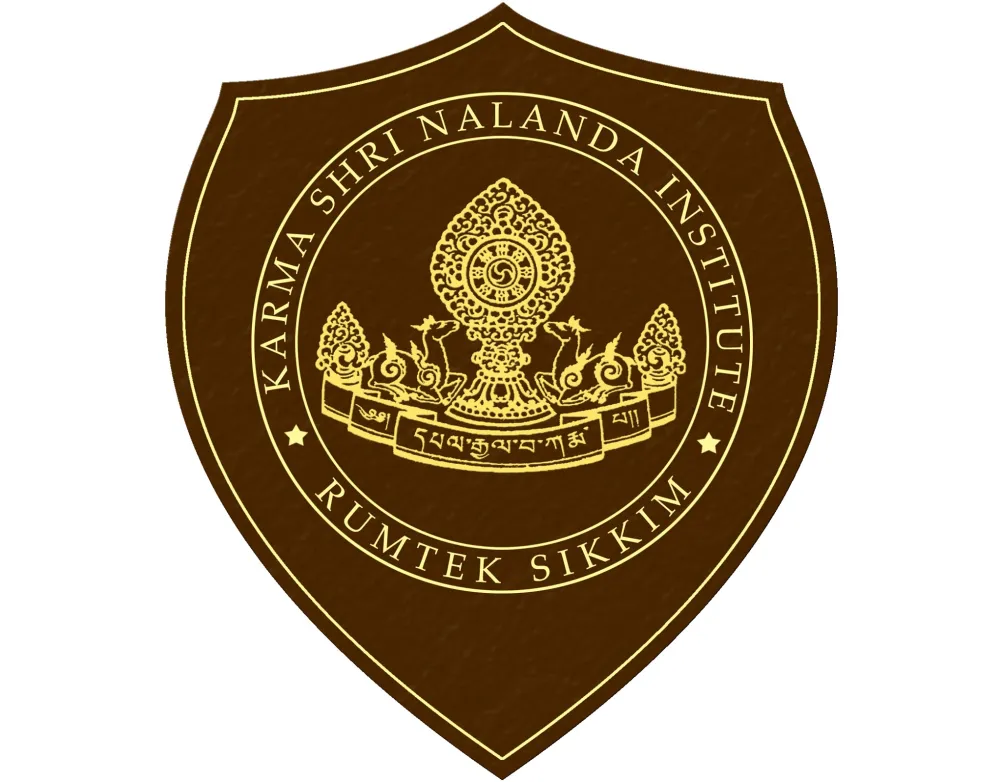
Picture this: it’s the late 1970s. The 16th Gyalwa Karmapa, Rangjung Rigpe Dorje, has a vision - he wants to preserve Tibetan Buddhist teachings in exile. Construction starts in 1980, and by November 1981, the Shri Nalanda Institute - better known as Karma Shri Nalanda Institute (KSNI) - is up and running at the Rumtek Dharma Chakra Centre in Sikkim.
Sadly, the Karmapa passed away not long after, but his spiritual heirs, including the first principal Jamgon Kongtrul Rinpoche, carried his dream forward. The institute is rooted in the Karma Kagyu lineage, making it a cornerstone in keeping these ancient traditions alive far from Tibet.
By 2008, they were celebrating the 25th anniversary with a two-day festival full of speeches, ceremonies, and good vibes - proof that the vision was still burning bright. And the name “Nalanda”? It’s a respectful nod to the legendary ancient Indian university, a symbol of timeless learning.
What They Teach
This isn’t your standard classroom setup. It’s a full-on shedra (monastic college) where Buddhist philosophy gets center stage.
- Core Curriculum: Students dive into logic, debate, meditation, and the finer points of Tibetan Buddhism and culture. It’s no walk in the park - studies last eight to nine years.
- Degrees Offered: Seven years earns you a Shastri (think bachelor’s), add two more and you’re an Acharya (master’s in Buddhist studies). For the truly committed, there’s the Ka-rabjampa, a doctorate in divinity.
- Global Draw: Monks and scholars from Tibet, India, Nepal, Bhutan, and beyond make their way here. Many are refugees who couldn’t afford this level of study elsewhere, but the institute covers tuition, books, food, and lodging. Affiliation with Sampurnanand Sanskrit University in Varanasi also means the degrees carry real academic weight.
(If you’re into philosophy, just imagine debating the finer points of karma while cool Himalayan breezes roll through the courtyard. Not bad, right?)
Life on Campus
Set about 5,500 feet up in Rumtek, the institute sits right across from the monastery’s golden stupa, blending into the wider spiritual complex.
Facilities? Simple but purposeful. A debating courtyard where monks sharpen their wits, dorms for over 200 students, and halls for daily rituals. Life is monastic: early mornings, group prayers, disciplined routines. But it’s also deeply communal, supported by donations that keep it accessible.
And it’s not all books and philosophy - the monastery adds color with lama dances, festivals, and the rhythm of ritual life.
How to Visit
Want to see it for yourself? The institute is part of the Rumtek Monastery site, around 24 km from Gangtok. A taxi or shared jeep will get you there in about 45 minutes.
- Best Times: March–June (flowers everywhere) or September–November (crystal-clear skies). Skip the monsoon and deep winter unless you’re adventurous.
- Entry & Etiquette: Free entry, though donations are always welcome. Dress modestly, keep noise down, and skip photos inside the sacred spaces.
- Getting There: The nearest airport is Bagdogra. From there, drive to Gangtok, then onward to Rumtek. Once you arrive, wander the grounds, maybe catch a debate session if you’re lucky. Pair it with a monastery tour and you’re basically walking through a living history book.
Why It’s Special
The Shri Nalanda Institute isn’t just producing educated monks - it’s preserving a cultural lifeline for Tibetan Buddhism in exile. In a noisy, distracted world, places like this remind us of the value of stillness, reflection, and deep learning.
Whether you’re a seeker, a history buff, or just curious, the institute offers a rare blend of peace and perspective. If you’re ever in Sikkim, stop by. You just might walk away seeing things a little differently - and honestly, what’s better than that?